













Overweight Containers & VGM Rules
Weigh right. Declare on time. Avoid delays.
Follow us


Weigh right. Declare on time. Avoid delays.
ATMAVAAN BLOG | CONTAINER GUIDE
Every container that sails needs a verified weight. Under the SOLAS VGM requirement, no packed container can be loaded onto a ship without its Verified Gross Mass, or VGM. The rule has applied since 1 July 2016. If the number is wrong, late, or simply too high, your cargo can be stopped at the terminal gate.
In our guide to open top container shipping, the challenge was size. This time, it is weight.
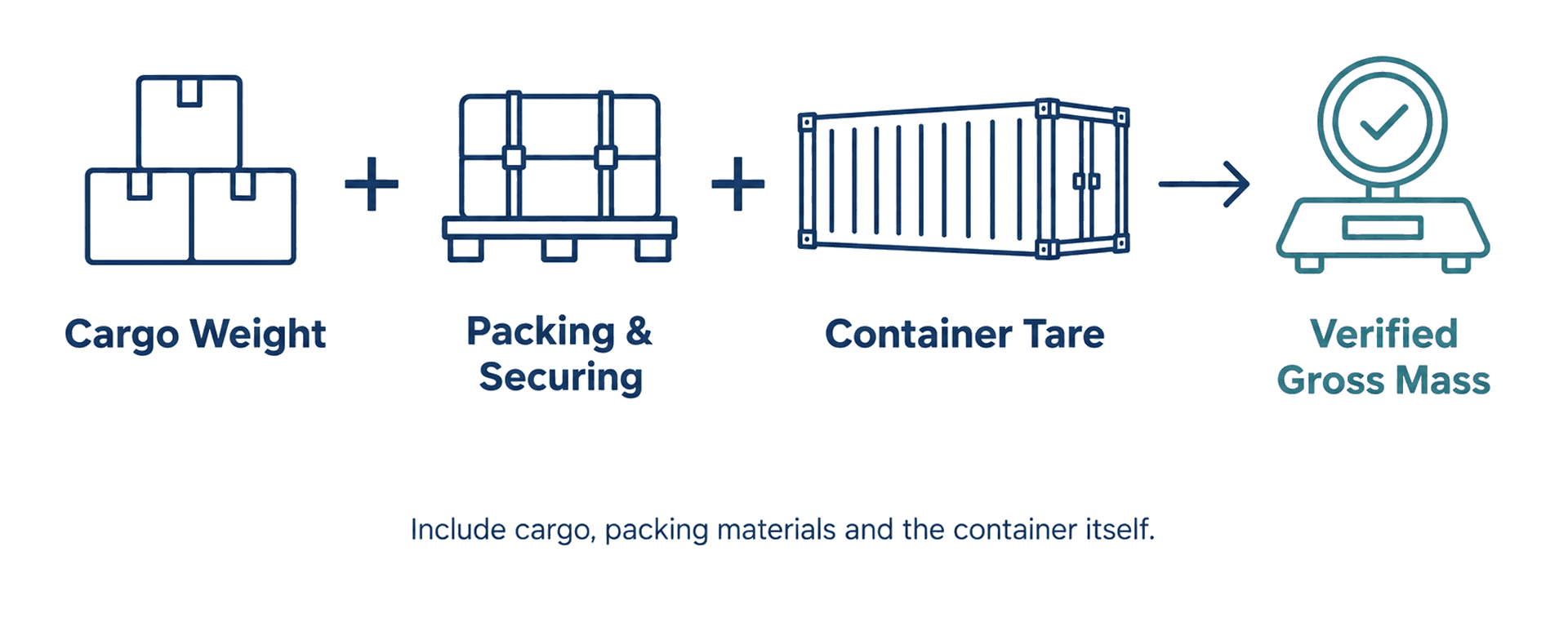
■ Cargo weight
■ Pallets, crates, dunnage, and lashing materials
■ The container's tare weight, printed on the container door
Simple rule: if it is inside the box or part of the box, it counts toward the VGM.
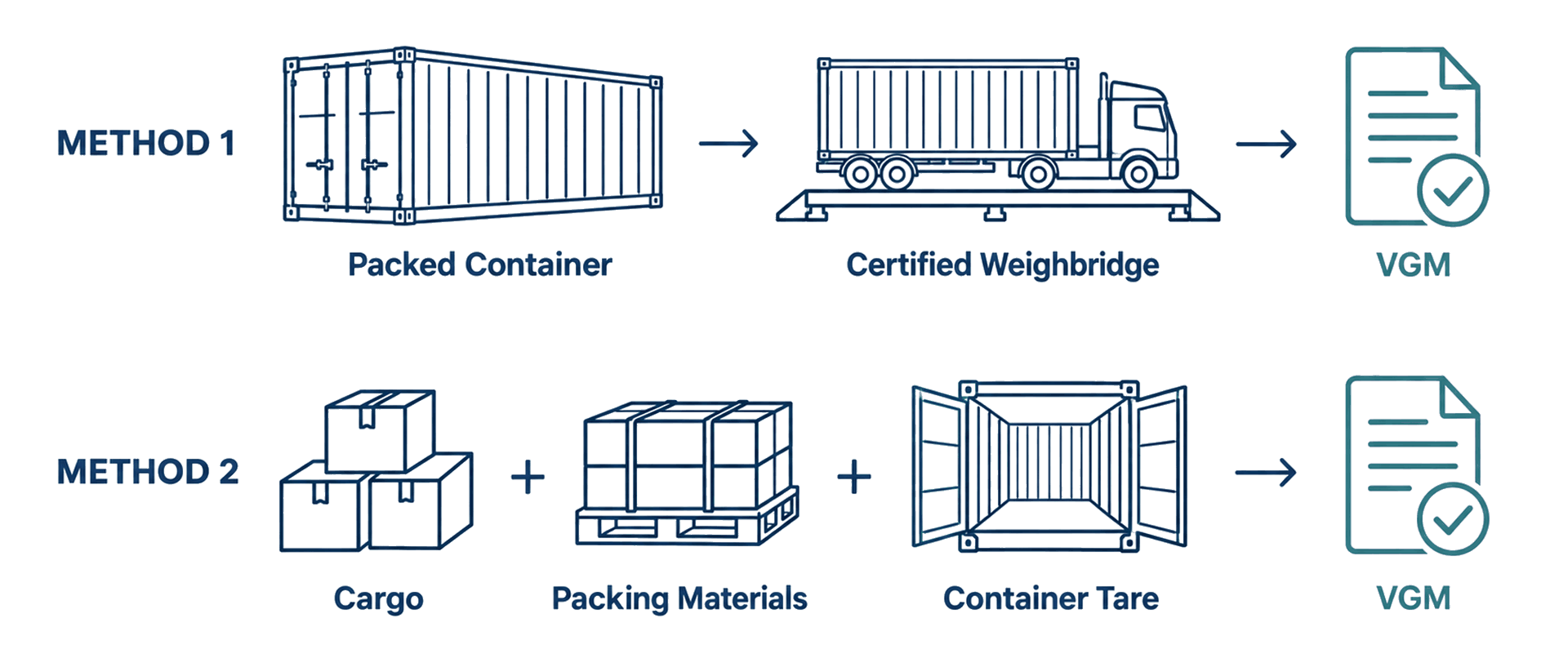
■ Method 1: weigh the packed and sealed container on calibrated, certified equipment such as a weighbridge
■ Method 2: weigh all cargo and packing materials, then add the container's tare weight
Estimates and invoice weights are not accepted. See the IMO VGM guidelines (MSC.1/Circ.1475) for full detail.
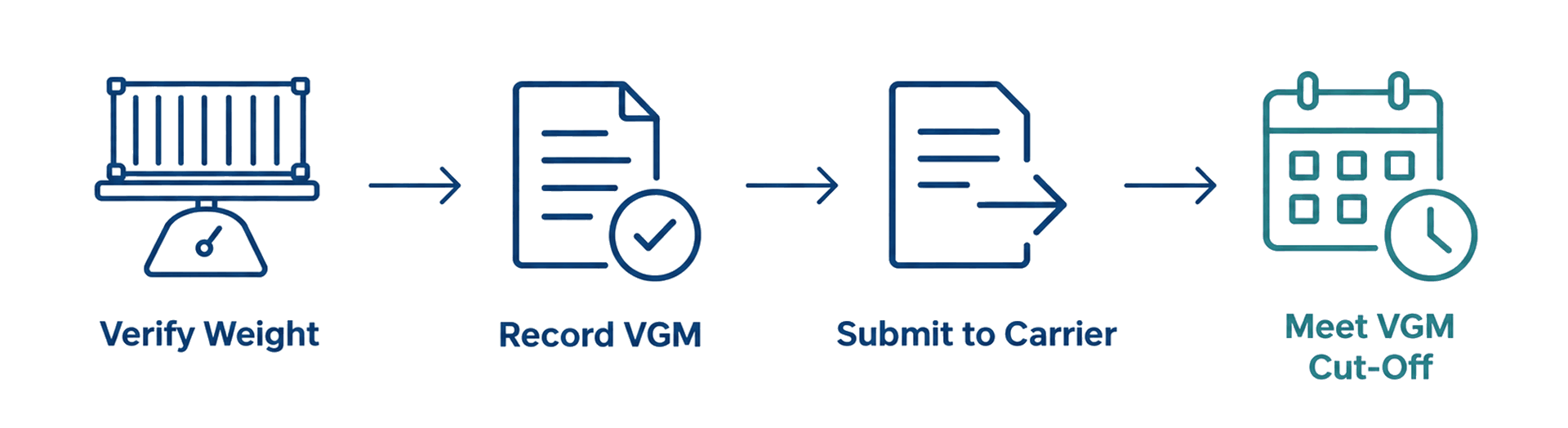
The shipper named on the ocean bill of lading is responsible, even when a freight forwarder does the weighing. The VGM must reach the carrier before the VGM cut-off, which is usually earlier than the cargo cut-off. No VGM means no loading.
Container Weight Limits: Ship vs US Road
A container can be legal for the ship and still be overweight for the road. US federal truck weight limits allow 80,000 lbs gross, including the truck and chassis, so much less is left for cargo. Heavy loads may need a tri-axle chassis, an overweight permit, or transloading near the port. Read more in our guide on smarter planning for US imports.
■ Rolled cargo: the box misses its vessel and waits for the next sailing
■ Re-weighing charges: you pay to weigh and move the box again
■ Demurrage and detention: charges build up every day the box waits
■ Overweight container surcharge: carriers add fees for heavy boxes
■ Road fines: trucks can be fined or held at weigh stations
One missed VGM cut-off can delay a shipment by a week or more.
The easiest way to avoid overweight container fees is to weigh and plan before the cargo leaves the factory. With Atmavaan Workspace, use the Vessel Schedule tool to pick a sailing with time to weigh and declare, and Container Tracking to know when your box reaches port. You can also check the MSC vessel schedule and Maersk vessel schedule, or talk to a specialist before you book.
Knowing the rules is half the job. In our next blog, How to Avoid Overweight Containers: Practical Tips for Shippers, we share smarter load planning, the right equipment choices, and a simple pre-shipment checklist. Follow the Atmavaan blog so you don't miss it.
Get the latest reports, updates and highlights delivered to your inbox.
Get an estimate, or just tell a specialist what you are shipping — we handle everything from there.
Instant vessel schedules from trusted global shipping liners.
FREIGHT WITH SOUL · ON TIME, EVERY TIME
© Atmavaan 2026 · All rights reserved.
 Chat