













Open-Top Container Shipping
Choose wisely. Plan early. Avoid delays.
Follow us


Choose wisely. Plan early. Avoid delays.
ATMAVAAN BLOG | CONTAINER GUIDE
Open Top Containers: Which Cargo Needs Them, OOG vs In-Gauge, and the Real Cost of Delays
Not every shipment fits through the doors of a standard container. Some cargo is too tall, too heavy, or too awkward to load from the side. That is where the open top container helps. It has no fixed roof, only a removable tarpaulin, so cargo can be lowered in from above by crane.
Commodities That Usually Need an Open Top Container
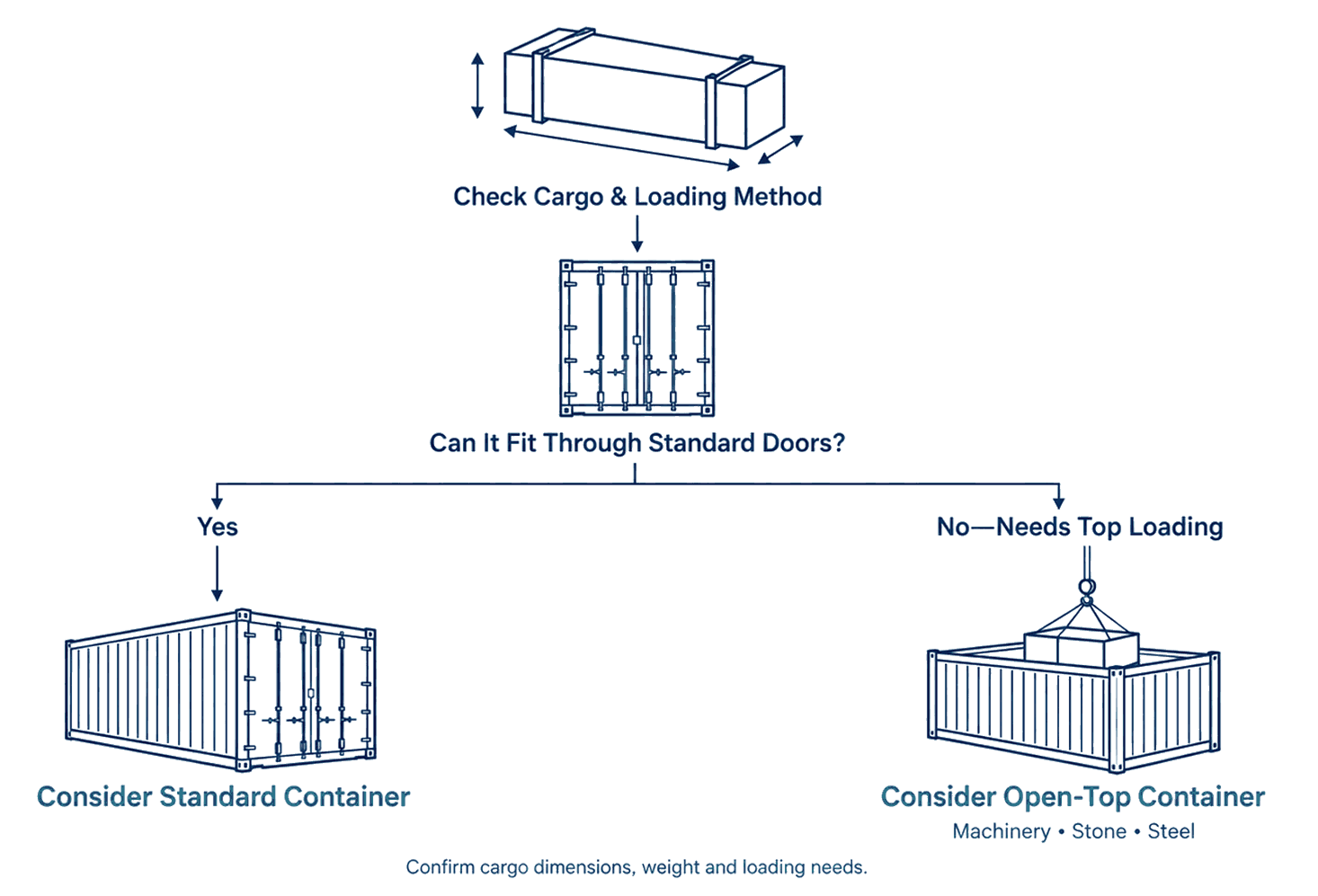
■ Heavy machinery and industrial equipment like generators, pumps, and transformers
■ Granite blocks, marble slabs, and other natural stone
■ Steel coils, pipes, and structural beams
■ Timber logs and long wooden planks
■ Glass sheets packed in tall crates
Simple rule: if your cargo can only be loaded from the top, an open top is usually the right choice.
In-Gauge vs Out of Gauge (OOG) Cargo
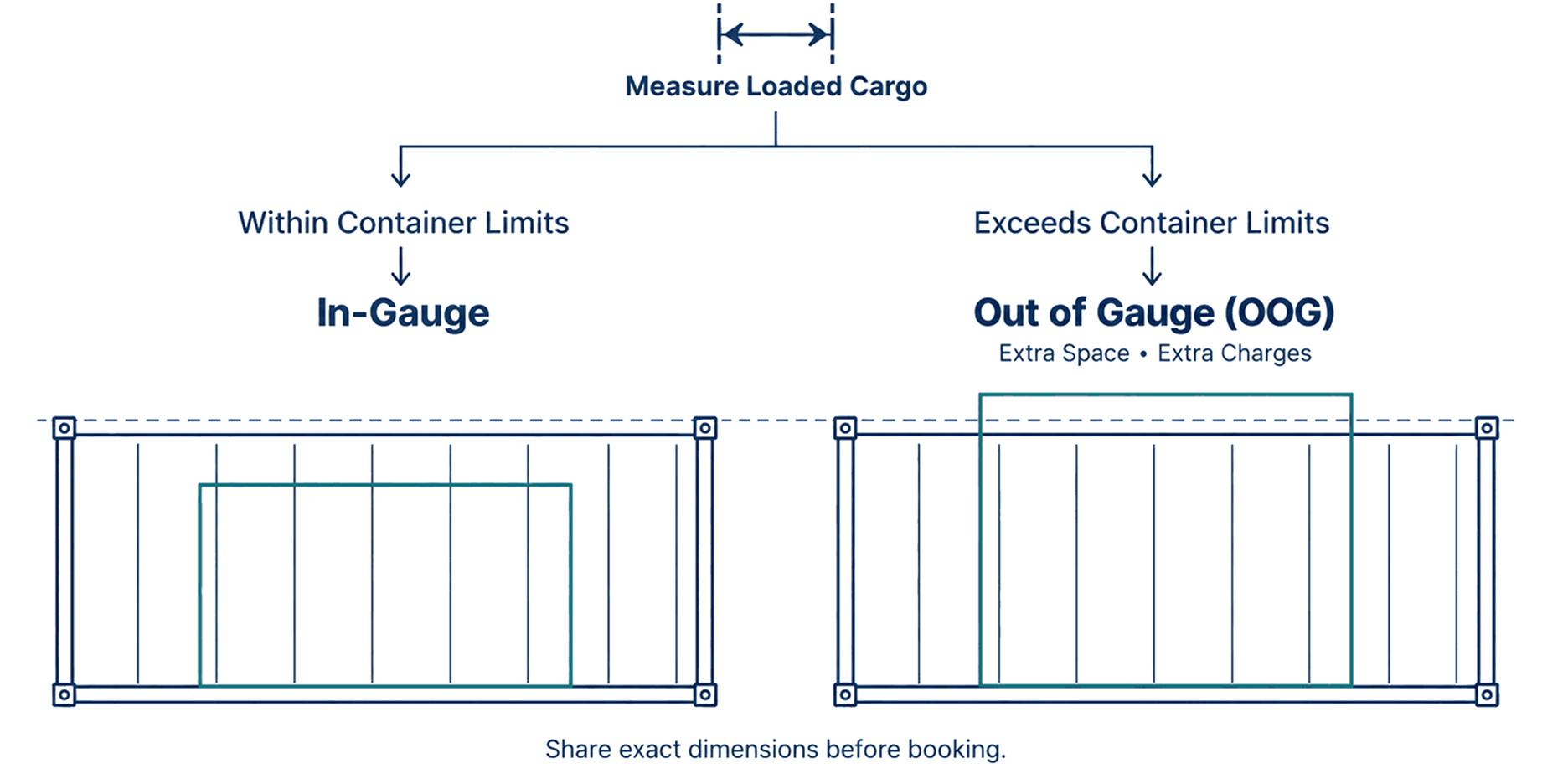
In-gauge cargo stays fully within the container's normal height and width. It ships like a regular box and can be stacked on the vessel. Out of gauge (OOG) cargo sticks out above the top or past the sides, and that changes a lot:
■ The box cannot be stacked, so it blocks extra slots on the ship
■ Carriers add OOG surcharges for that lost space
■ Fewer vessels accept OOG units, so book early
Always share exact cargo dimensions and weight with your freight forwarder before booking. A few extra centimetres can turn an in-gauge load into OOG.
Last Mile Handling Needs Planning
Moving an open top or OOG container from the port to the final address is not like a normal delivery. You may need a lowbed trailer, permits for oversized loads, and a crane at the site to unload. In the US, some states also ask for escort vehicles. If even one piece is missing, the container waits at the terminal.
■ Reefer containers need constant power. Every extra day at port adds plug-in charges and the risk of spoiled cargo.
■ Open top containers are limited in number, so free days are often shorter and demurrage and detention charges build up fast.
■ Cranes and special trucks may need rebooking, which adds even more cost.
A delay of just three or four days can wipe out the profit on a shipment.
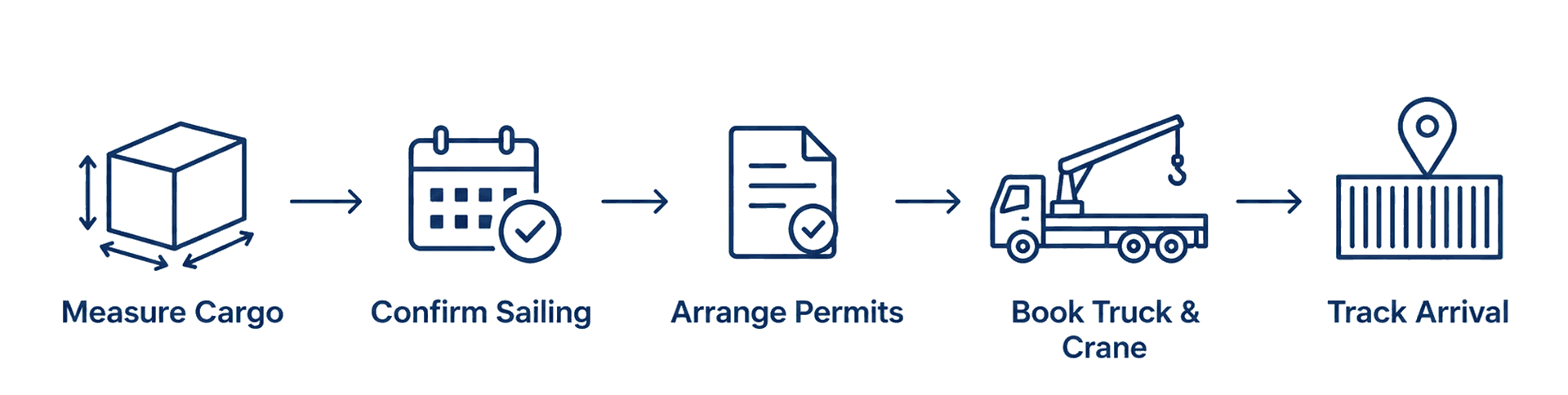
The easiest way to avoid these charges is to plan the full move before the cargo leaves the factory. With Atmavaan Workspace, use the Vessel Schedule tool to find sailings that accept your cargo, and Container Tracking to know exactly when your box reaches port, so your truck and crane are ready on time.
Get the latest reports, updates and highlights delivered to your inbox.
Get an estimate, or just tell a specialist what you are shipping — we handle everything from there.
Instant vessel schedules from trusted global shipping liners.
FREIGHT WITH SOUL · ON TIME, EVERY TIME
© Atmavaan 2026 · All rights reserved.
 Chat
Chat